
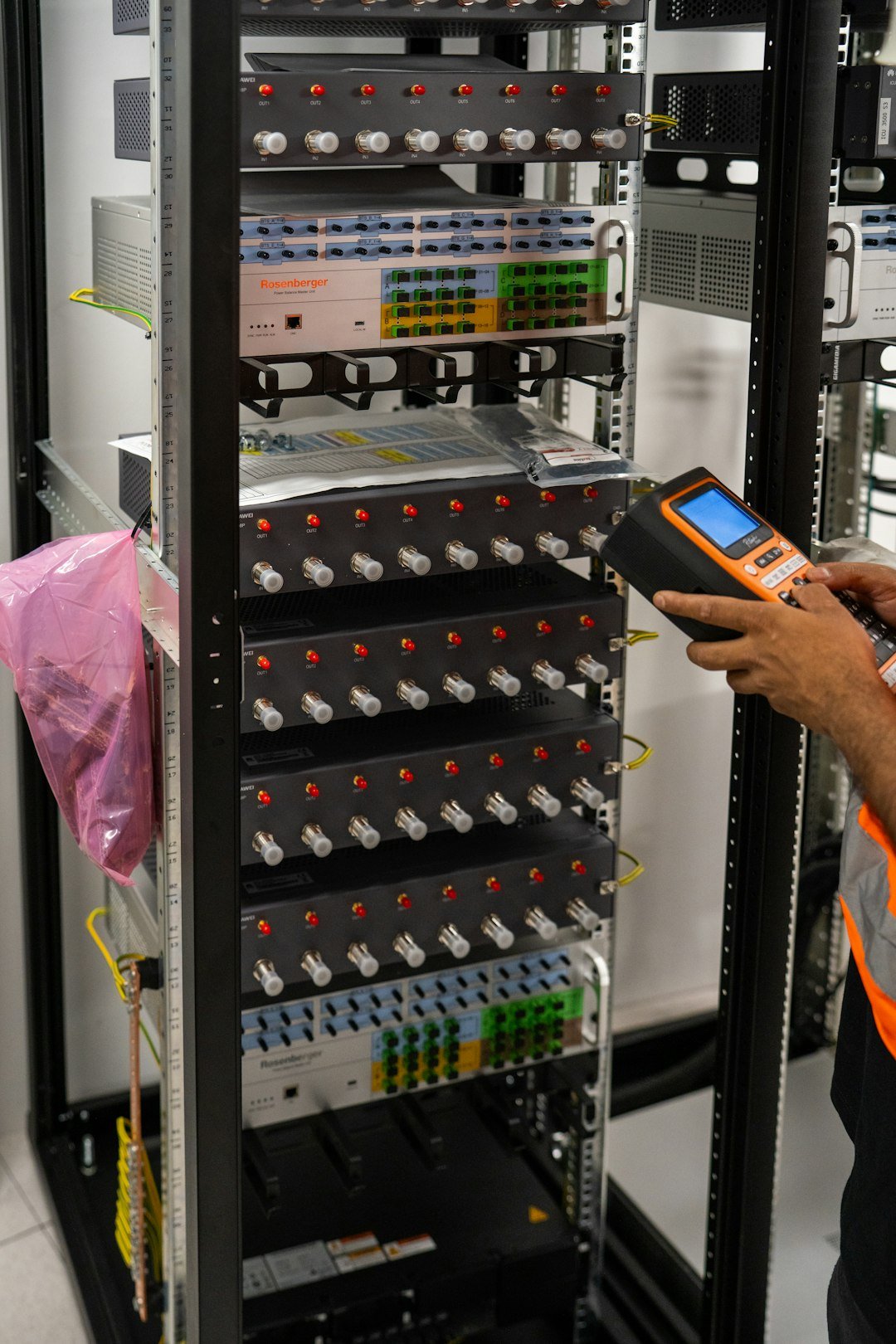
The AI investment boom brings with it a new age not just in business but also in terms of building new centers for the generation, processing and storing of vast quantities of data. As businesses compete for the best talent, money is getting poured into computing infrastructure in order to fulfill the ever-worsening requirement for electricity, state-of-the-art equipment, and enormous processing power.
This magnitude of money pouring has caught the eye of the Federal Reserve. Although the officials see the long-term productivity gains on the horizon, they also wonder that if this expansion happens quite fast, could it raise pressure inflation-wise in the wider economy?
A $2 trillion pipeline of data center projects
There is considerable investment taking place. Federal Reserve Governor Lisa Cook stated in a November 20 speech that firms had set out plans to spend in excess of $2 trillion on building data centres within the US. However, she emphasised that to date, only a small proportion of this total has been realised.
Indeed, even prior to all the various data centre projects being realised, the sector is already affecting the economy. As well as seeing indications of inflationary pressures in technology goods, Cook noted that construction labour and energy prices were also being impacted. Moreover, much of the current data centre building activity is also taking place in countries other than the US.
Due to the complex nature of the facilities which must be provided for data centres (for example specialist technology, temperature control and power), as well as the need for appropriately skilled personnel, there may be higher costs associated with these projects. Although there is often fierce competition for employees, materials and power supply, if firms and infrastructure providers are allowed sufficient time to expand then this does not necessarily present a challenge.
Why the Federal Reserve is paying attention
Although the impact of AI on the economy is unquestionable, the concern for the Fed is how the economic boom caused by these investments is affecting demand and inflation.
Chicago Fed President Austan Goolsbee voiced concerns on November 19, that high levels of infrastructure investment in data centres combined with increased investment expectations (due to future wealth) from AI could cause demand to outpace supply. This could make it harder for inflation to fall.
Although investment into AI may not be solely causing inflation, inflationary pressures on households do stem from a number of factors including housing, energy, trade costs and consumption. However, a quick increase in supply of infrastructure and equipment can create additional demand, particularly in sectors where new supply may take longer to be produced.
The most recent Consumer Price Index data from the U.S. Bureau of Labor Statistics shows that between September and October 2026, consumer prices increased by 0.4%, following an increase of 0.6% in September. Core CPI (excluding food and energy) increased by 0.3%. Therefore, this shows why increased demand from new investment would be of concern to members of the Fed.
The power behind the AI boom
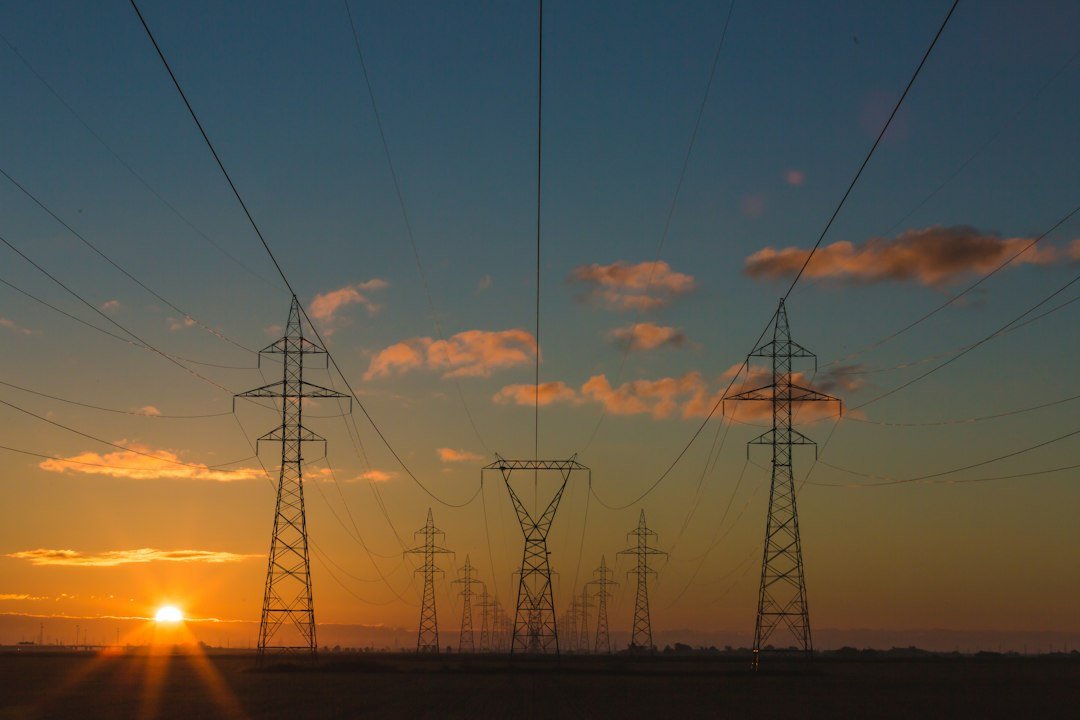
Although the impact of energy in relation to AI may be under-noticed, it could be significant. Building large data centres means a large requirement for energy, as well as infrastructure and cooling in order to allow thousands of computers to run continuously. This means opportunities for utilities companies, construction companies and manufacturing companies. However, there may be increased pressure on local energy supply systems.
Key infrastructure needs for AI data centers include:
- Reliable electricity to keep computing equipment running continuously.
- Cooling systems to manage the heat generated by servers.
- Advanced servers and networking equipment to process and transfer data.
- Power lines and grid connections to deliver sufficient electricity.
- Skilled workers to build, operate and maintain the facilities.
The development of additional energy resources may not be rapid. Planning, approval and construction of new energy generation, transfer lines and connectivity can take many years. Therefore in regions where data centres have been built quicker than energy infrastructure, energy supply problems and increased costs may occur.
In a speech on the 10 th November, Federal Reserve Vice Chair for Supervision, Michelle Bowman highlighted that investments in businesses related to AI are strong. However, she also noted that high demand in these areas has caused increased pressures on certain high-tech prices. Additionally, increases in productivity in business due to increased AI usage are possible. However, whilst investment and demand can increase quickly, the productivity gains from the new technology could be slower to materialise.
The productivity promise—and the uncertainty
There are reasons why firms are prepared to invest in new technologies. Artificial intelligence can be used to undertake repetitive functions, analyse data and even create new goods and/or services. If applied effectively, this can therefore boost output but at no more of an associated cost.
Potential economic effects of AI investment
| Area | Potential benefit | Possible challenge |
|---|---|---|
| Technology | Greater computing capacity | Higher equipment costs |
| Energy | Investment in power infrastructure | Increased electricity demand |
| Employment | New technical roles | Changes to existing job functions |
| Business | Improved productivity | High implementation and training costs |
| Wider economy | Potential long-term growth | Short-term inflationary pressure |
However, there are further steps required to ensure that technology increases productivity. As well as procuring technological resources, business must analyse which technologies are most suitable; provide staff with relevant skills and implement appropriate security procedures. Again, some technology can be highly profitable for a company, but other technology can be costly to implement and fail to significantly improve a firm’s performance.
As regards employees, both new and redundant job functions can result from the introduction of new technologies. As mentioned above, the extent to which this occurs is unlikely to be the same for all industries, jobs and areas. Furthermore, due to both the amount and rapidity of technology adoption, it remains challenging to assess at present just how quickly the anticipated productivity enhancing benefits will be disseminated throughout the economy.

What businesses and households should watch
For businesses, investment in AI must provide tangible benefits to be worthwhile. Whether investments prove viable will depend on costs of computing, availability of power, availability of skilled resources and the efficiency of these new systems.
At a household level, impacts may be less direct. However in the longer-term new services may be provided, and businesses made more efficient. In the short-term though, increases in electricity demand, construction costs and high-tech equipment may lead to price increases in certain markets. Impacts will depend on the type of location and the rate at which supply can meet demand.
In addition, it is important to understand the scale of investment being made. The projects announced do not necessarily represent completed buildings. Even where a significant amount of money has been invested in building, not all sites may be completed or make profits. Whether economic benefits are achieved will depend upon how efficiently the infrastructure is used in businesses.
The bigger economic question
While there is significant investment in new AI infrastructure, creating demand within technology sectors, construction, and energy, it is occurring at a time where inflation is still being brought under control by policymakers.
As such, there is a tension in the economy between short and long term impacts of this investment. While costs associated with building data centres and enough energy capacity are coming through now, gains in productivity may be further into the future. As well as investment levels within businesses, it is important to consider if gains in output from this will be widespread. In particular, consideration must be given to whether the economy can avoid creating new inflationary pressures in order for the AI infrastructure boom to be widely advantageous.
Frequently Asked Questions
How much are companies planning to invest in U.S. data centers?
Federal Reserve Governor Lisa Cook said in a November 20, 2026 speech that firms had announced plans to spend more than $2 trillion on data center construction in the United States. She also noted that only a small proportion of the planned investment had been realized at that point.
Why is the Federal Reserve watching AI investment?
Fast expansion of data centres can also raise demand for energy, building services and sophisticated technology. Where there is not sufficient supply to meet this increased demand, prices may be driven up and so it may become more difficult to reduce inflation.
Could AI investment improve productivity?
AI can be used to automate processes, analyse data and even innovate and create. Productivity improvements will be influenced by how well a business can implement and train individuals in its use of AI. Benefits can sometimes be realised over a period of time.
